Strength that carries into the ring: four lifts worth your time
Squat, hinge, press and pull — the base that holds up when the rounds get long. How to fit them around a fight schedule.
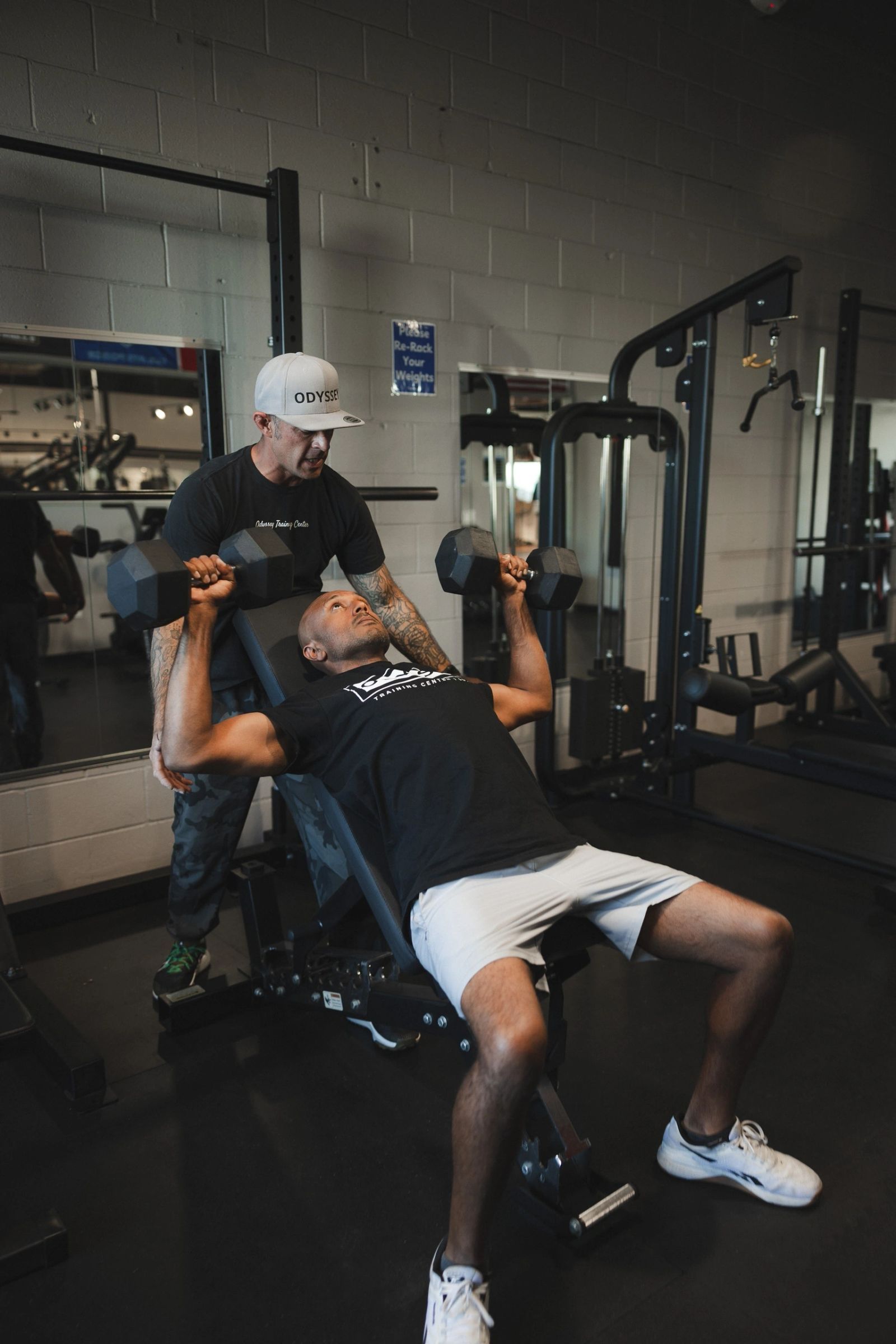
Strength training for combat sports is not bodybuilding with a different playlist. The job is to make the body harder to move, more resilient to impact, and less likely to fade in the third round. Four patterns do most of that work.
You do not need a complicated program to get stronger for boxing, Muay Thai or Jiu-Jitsu. You need a few movements you can load, progress and recover from, plus enough consistency to let them work. These four are the base.
1. Squat: the base under everything
A squat teaches you to stay tall while your legs work. That shows up in your stance, your ability to change levels, and your capacity to keep moving when you are tired. A front squat, back squat or a squat variation you can perform well all count. The load matters less than the pattern.
For fighters, the goal is not a one-rep max. It is a strong, repeatable set with good position. Leave a rep or two in reserve and save the grind for the mat.
2. Hinge: the engine for hips
Deadlifts, Romanian deadlifts and kettlebell swings train the back of the body to produce and absorb force. Hips drive punches, kicks and takedowns. A hinge also teaches you to brace, which is the skill you use every time someone leans on you.
The weight room should make the sport easier, not become a second sport.
3. Press: shoulders that hold a guard
A press — overhead, incline, dumbbell or landmine — builds the shoulders and triceps that hold your guard and push an opponent away. Dumbbells are useful because each side has to do its own work. If one shoulder is irritated, a landmine press lets you train around it.
4. Pull: the back you do not see
Rows, pull-ups and face pulls balance all the pressing. They build the muscles that keep your shoulders healthy and your posture strong when you are tired. For grapplers, pulling strength is directly useful. For strikers, it keeps the shoulders together through a long camp.
How to fit it around class
Two strength sessions a week is enough to build a base. Put them on days when your skill work is lighter, or after class rather than before it. If you are new to lifting, keep the sessions short: one squat, one hinge, one press, one pull, plus a little core and grip work.
- Two sessions a week, consistently, beats four sessions you cannot recover from.
- Add weight slowly. Technique first, then load.
- Do not train to failure before a hard class.
- Sleep and food are part of the program.
What about conditioning?
The combat classes already provide a lot of conditioning. If you add more, choose it deliberately: intervals on the air bike, sled pushes, or carries. Do not turn every strength session into a metabolic test. The goal is to be stronger and fresher for the sport.
Get a coach in the room
The fastest way to learn the four patterns is to have someone watch you do them. Odyssey's Strength + Performance classes are coached, and personal training can build a plan around weight loss, muscle gain or injury recovery. If you are coming back from an injury, get medical clearance first and tell your coach what you are working with.
Strength is not separate from skill. It is what lets you use your skill for the whole class. Put the four patterns in your week, keep them honest, and let the rounds get easier.
Find the strength class or coaching route that fits your week.
Book the free class.
A guide can point the way. A coach can watch the round, fix the stance and tell you what to do next. Your first class is free.
(619) 701-6793 · 4.8★ from 274 Google reviews
30-day money-back guarantee